Natural wonders enhance event experiences
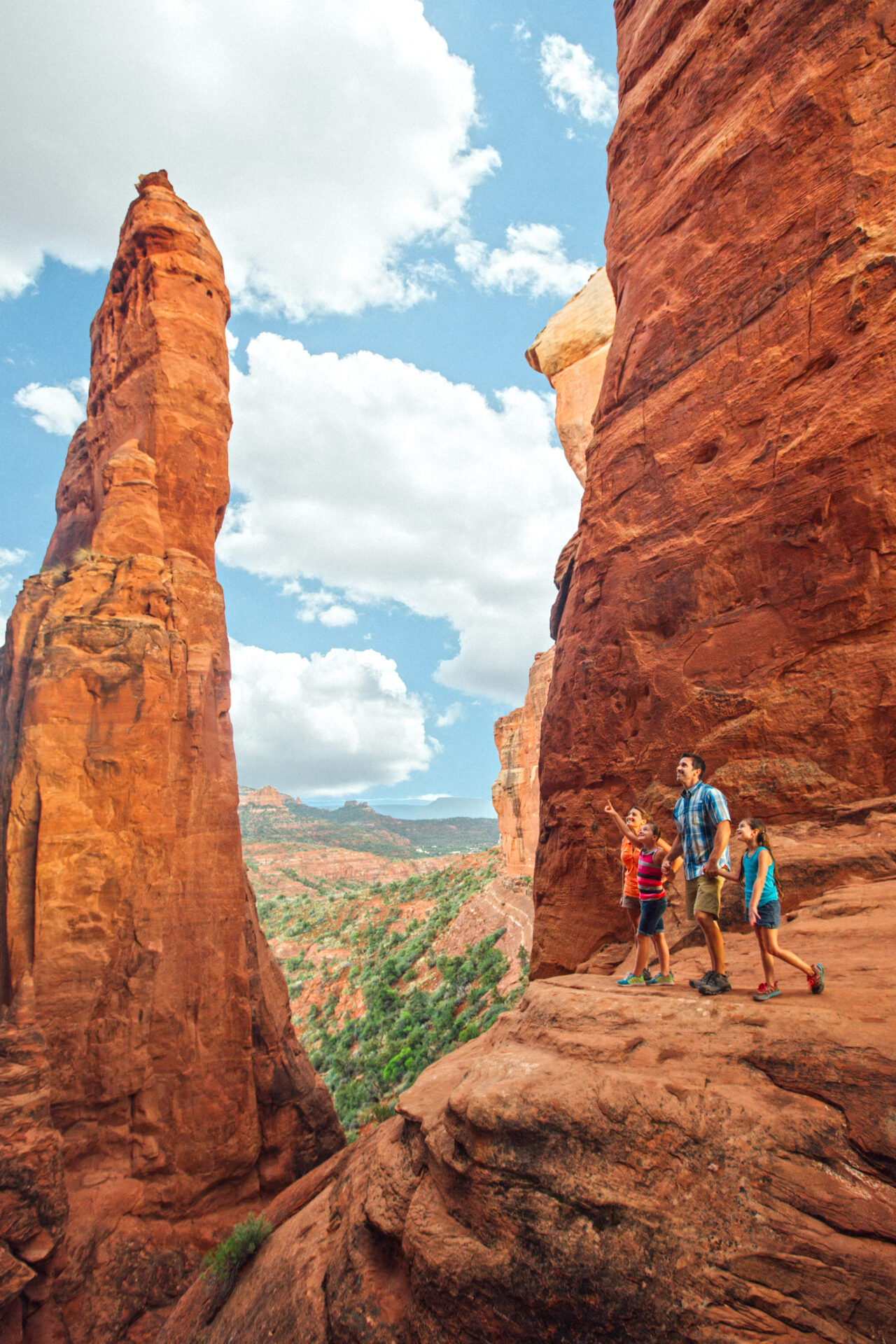
Finding beautiful, scenic areas across the Southwest is simple; they’re everywhere. Each southwestern state has its share of natural wonders, and nearby conference and meeting accommodations offer planners convenient access to stage their events against the backdrop of stunning landscapes. Explore how the Southwest’s awe-inspiring vistas can boost creativity, encourage collaboration, and spark brainstorming among attendees at your next meeting or event.
Arizona
Beauty stretches across Arizona from the Colorado Plateau in the north to the Transition Zone in the middle and the Basin and Range regions in the south.
Known as “Red Rock Country,” the northern half of Arizona is a land of stunning sandstone buttes, tree-covered mesas, and deep canyons, including the Grand Canyon. With such natural beauty, it’s easy for planners to find scenic locations for conferences, conventions, and meetings.
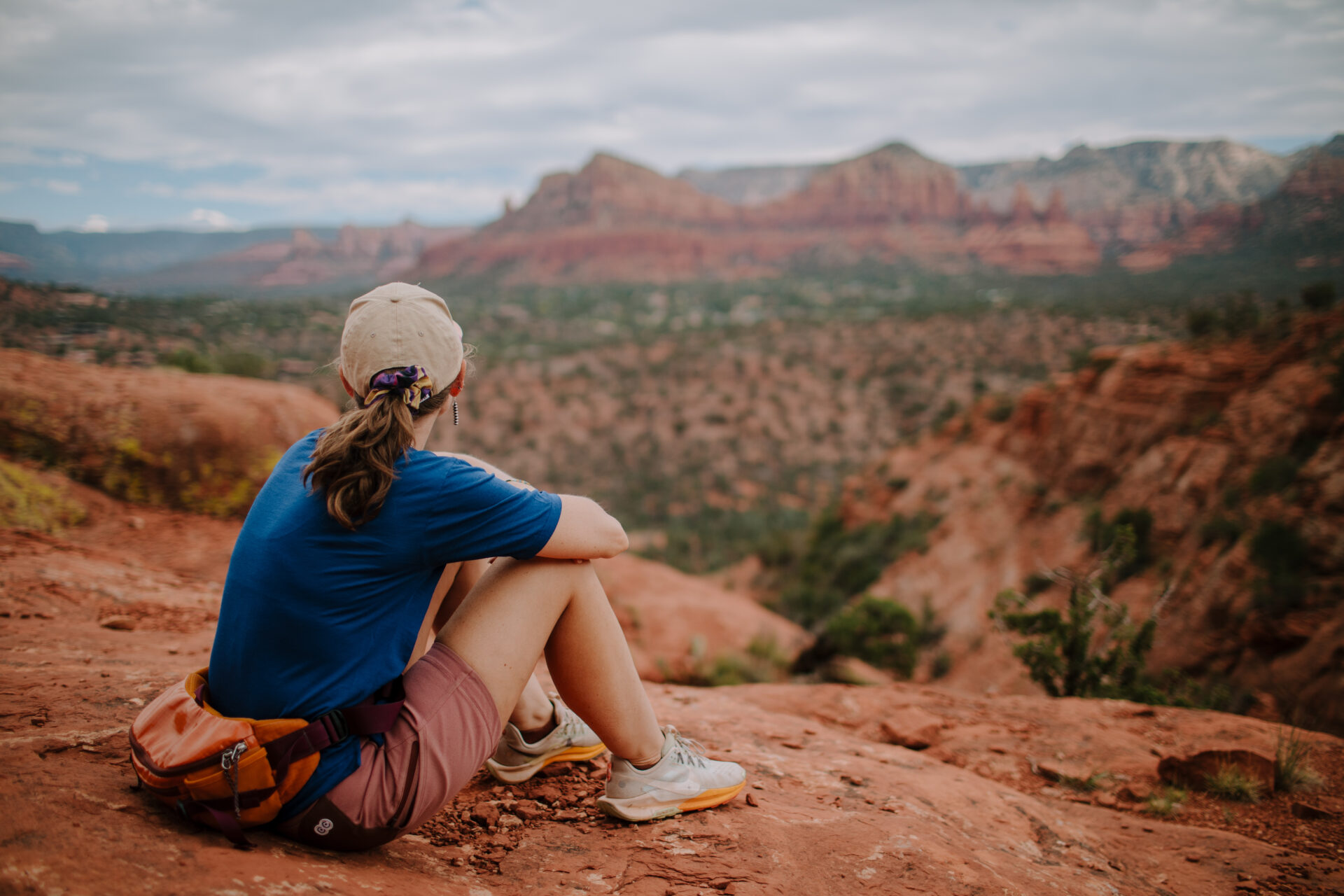
Approximately two hours north of Phoenix and an hour south of Flagstaff, the city of Sedona is surrounded on three sides by dozens of monumental buttes striped in lines of red, yellow, and brown. Canyons, such as Oak Creek and Sycamore, cut between them. Coconino National Forest nestles the city on the east and is home to Cathedral Rock; its multiple spire-like formations are among the most-photographed sites in the state.
“Sedona offers meeting planners something truly rare: the ability to pair productive, well-equipped meeting spaces with some of the most inspiring natural scenery in the country,” says Andrew Grossmann, tourism manager for the City of Sedona. “Our red-rock landscapes set the stage for unforgettable outdoor recreation, while our vibrant dining scene and group tours make it easy to design an event that feels both seamless and extraordinary.”
With its proudly held international reputation as the center—or “vortex”—for spiritual and earthly energy, Sedona offers shuttles to carry visitors to sites that include the Center for the New Age, which features shops, psychic readings, and other offerings. Other businesses offer stargazing tours, which “guarantee” UFO sightings.
For groups interested in traveling off the beaten path, Sedona companies supply guided tours in Jeeps, Hummers, and open-air vans to nearby nature sites. Among the most popular are Cathedral Rock and Merry-Go-Round Rock, with panoramic views of its 360-degree vistas that are especially beautiful at sunset.
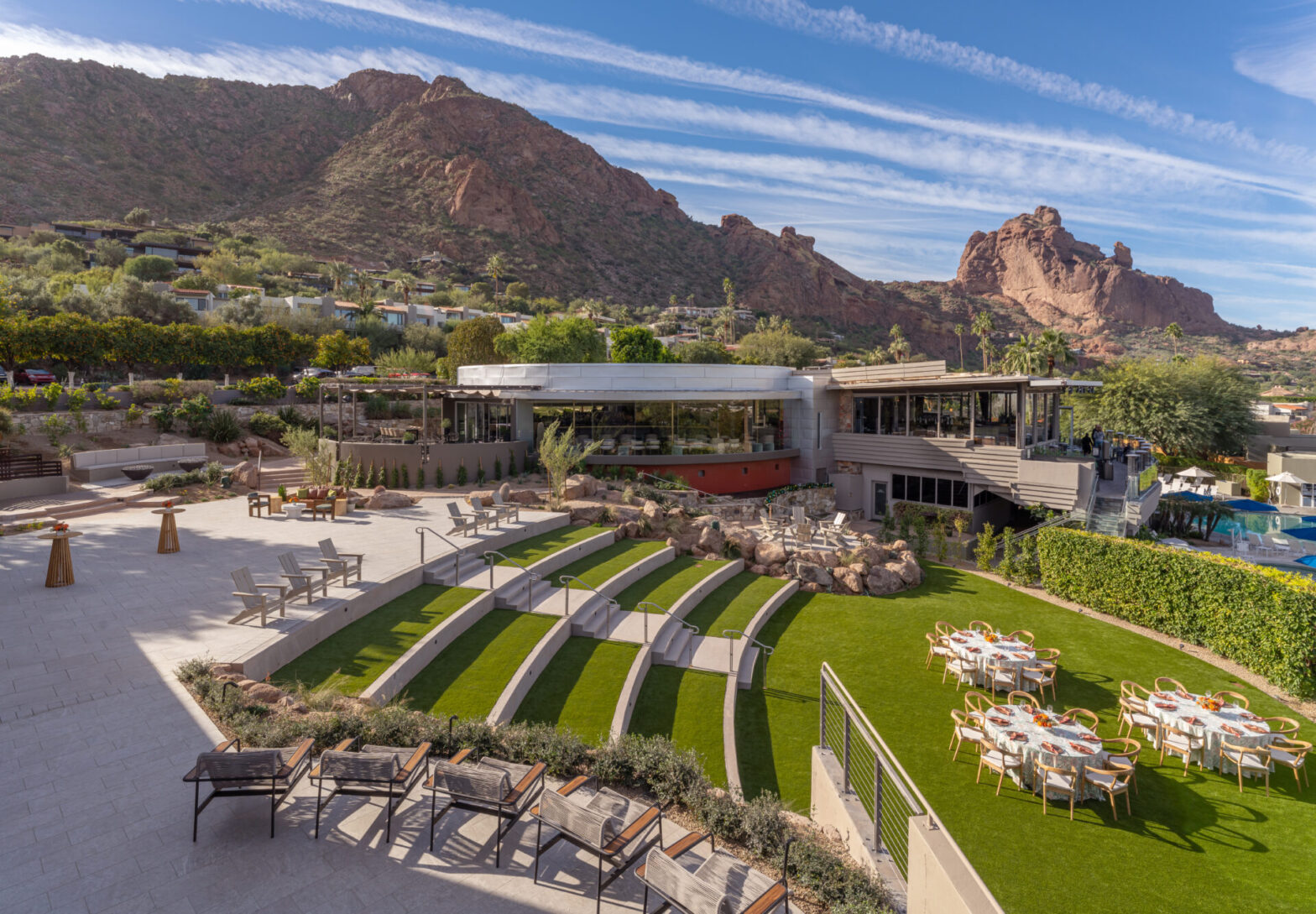
Several venue spaces are built to take advantage of the city’s scenic attractions. L’Auberge de Sedona, a Forbes Travel Guide Four-Star property, offers a variety of guest rooms, suites, and cottages, along with meeting and event space in its Vista Overlook. The venue seats up to 120 guests and offers unobstructed views of Snoopy Rock—so named because it resembles the famous cartoon character lying on his back.
Just south of the city and less than a mile from Bell Rock butte, Hilton Sedona Resort at Bell Rock features 25,000 square feet of indoor and outdoor event space. Sky Ranch Lodge is situated atop Airport Mesa—considered a powerful center of energy—and offers tours to some of Sedona’s wineries.
California
California is rich with beauty. The Golden State has thick forests in the north; heading south, planners will find the San Francisco Bay area, with Yosemite National Park and the Sierra Nevada Mountains to the east. Southern California follows with Los Angeles, Hollywood, and other splashy features.
Los Angeles gets the most attention in Southern California, but two hours south, San Diego also has much to offer. With average temperatures between the high 60s and mid-70s, the San Diego area is considered among the most perfect weather zones in the United States.
“In San Diego, meetings don’t end when sessions wrap. Our ideal weather, scenic coastline, and easy access to beaches, mountains, and desert landscapes create a sense of optimism that fuels creativity,” says Daniel Kuperschmid, CEO of San Diego Tourism Authority. “This optimism leads to innovation and collaboration, making every gathering truly transformative.”
In Torrey Pines State National Preserve, visitors can walk from green pines straight to rugged canyons overlooking the Pacific Ocean. At Torrey Pines State Beach, it’s not uncommon to see gray whales or enormous blue whales as they migrate from cool northern waters to warmer ones off the Southern California coast. The state preserve is also home to its namesake, an endangered tree species that grows only in the San Diego area.
With 13,000 square feet of event space, the Lodge at Torrey Pines takes advantage of its location, offering views of the Pacific Ocean and the Torrey Pines Golf Course. Private steamboat cruises, organized beach events, and golf workshops also are available.
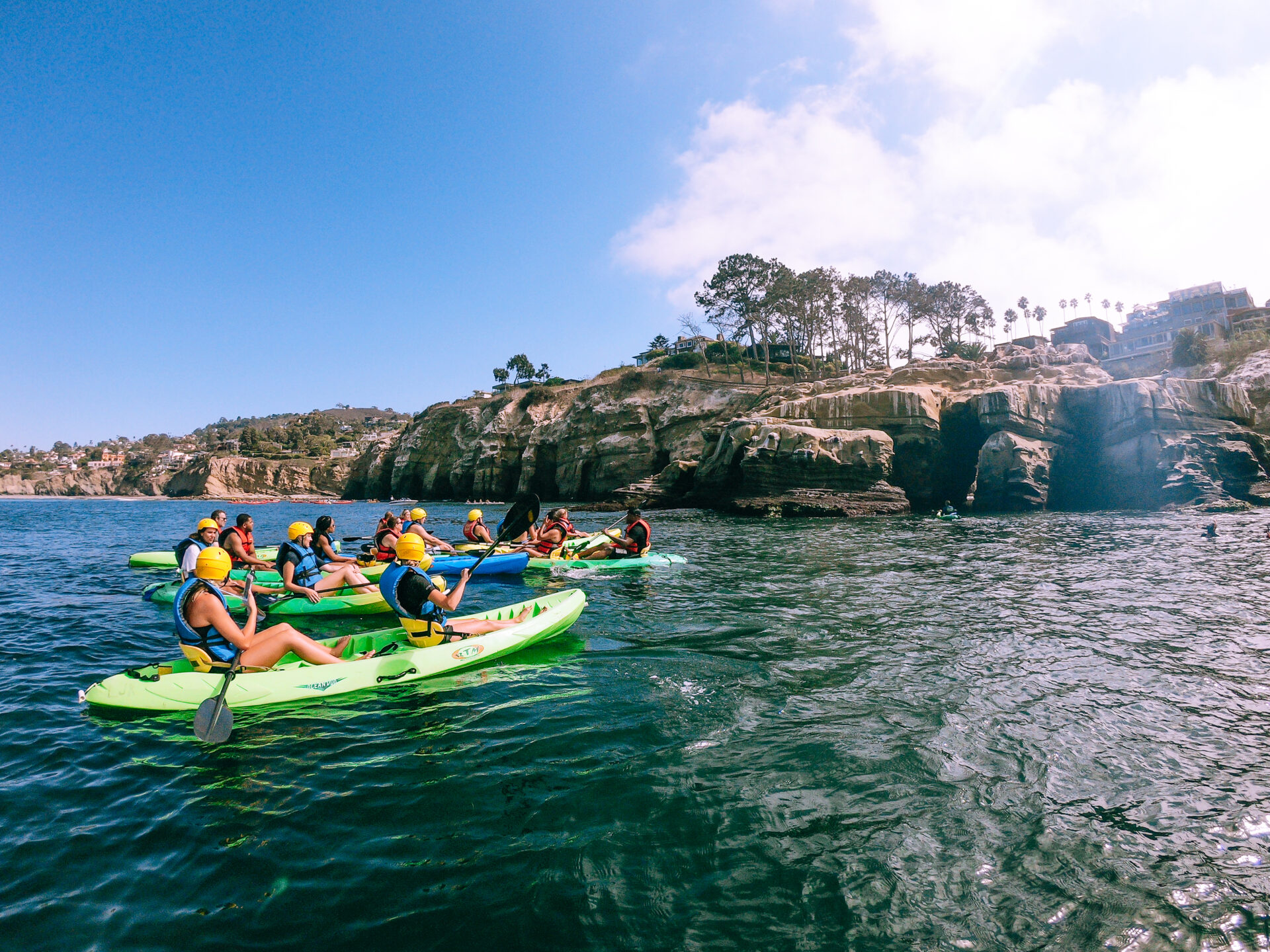
Rocky shores and sea caves in between, the San Diego-La Jolla Underwater Park Ecological Preserve is one of the city’s most popular destinations. With four distinct habitats—rocky reef, kelp bed, sand flats, and an underwater canyon— it’s a haven for snorkeling and diving. Visitors don’t have to dip beneath the water to enjoy the park. Sunny Jim’s Sea Cave can be entered and explored through an above-ground tunnel.
Colorado
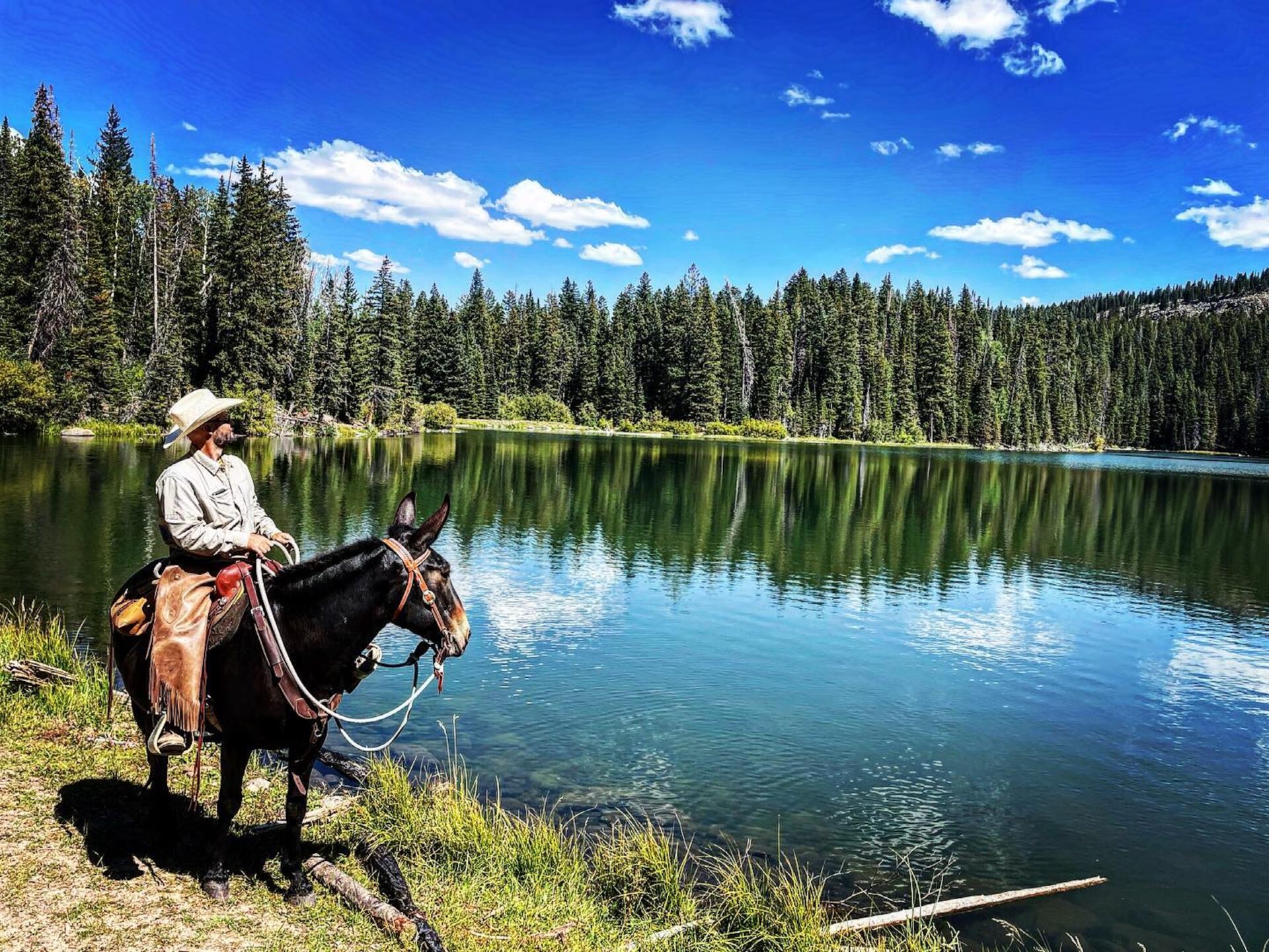
While the Rocky Mountains receive much of the attention when it comes to discussions of Colorado beauty, they are not the state’s point of scenic glory.
“Colorado’s natural beauty adds real value to the meeting experience,” says Kelly Layton, executive director of Destination Colorado Meetings. “Planners can find exceptional venues anywhere, but here the landscape itself inspires creativity, connection, and a deeper sense of engagement that elevates every event.”
Garden of the Gods in Colorado Springs is a series of sharp, red sandstone spikes and cliffs soaring up to form what resembles parts of a giant wall. The Balanced Rock, a huge boulder that seems to defy the laws of gravity, and Kissing Camels are two of its more famous and photographed sites.
Known as one of the great ski resorts in the country and a celebrity-sighting hotspot, the mountain town of Telluride sits in a forested canyon with a backdrop of Rocky Mountain peaks, some more than 14,000 feet tall. On the eastern side of the town are two waterfalls, the 280-foot Ingram and the 365-foot Bridal Veil.
Telluride Conference Center offers 16,000 square feet of flexible meeting space with a capacity of 850. Other event venues include Telluride Science & Innovation Center and the 111-year-old Sheridan Opera House.
In Mesa Verde National Park, just east of the Colorado-Utah state line and 90 minutes south of Telluride, are more than 4,000 cliff dwellings and mesa-top sites of towns, towers, and farming structures built by Pueblos, who lived there for more than 700 years. Built under overhanging cliffs of Mesa Verde, some of the archeological sites date back to A.D. 550.
Approximately 90 minutes east of Grand Junction in western Colorado is Grand Mesa, a 10,800-foot mountain—the largest flattop mountain in the world. Part of Grand Mesa National Forest, the mountain is covered with lakes, streams, and abundant wildlife. Once there, a drive along the Grand Mesa Scenic National Byway takes visitors through mountain meadows, evergreen, and aspen forests.
The Grand Junction Convention Center can accommodate up to 2,670 guests across 24,120 square feet of meeting and exhibit space, with catering and trade show decorating services. The Grand Junction area has more than 30 wineries, with several offerings tours, tastings, and meeting spaces.
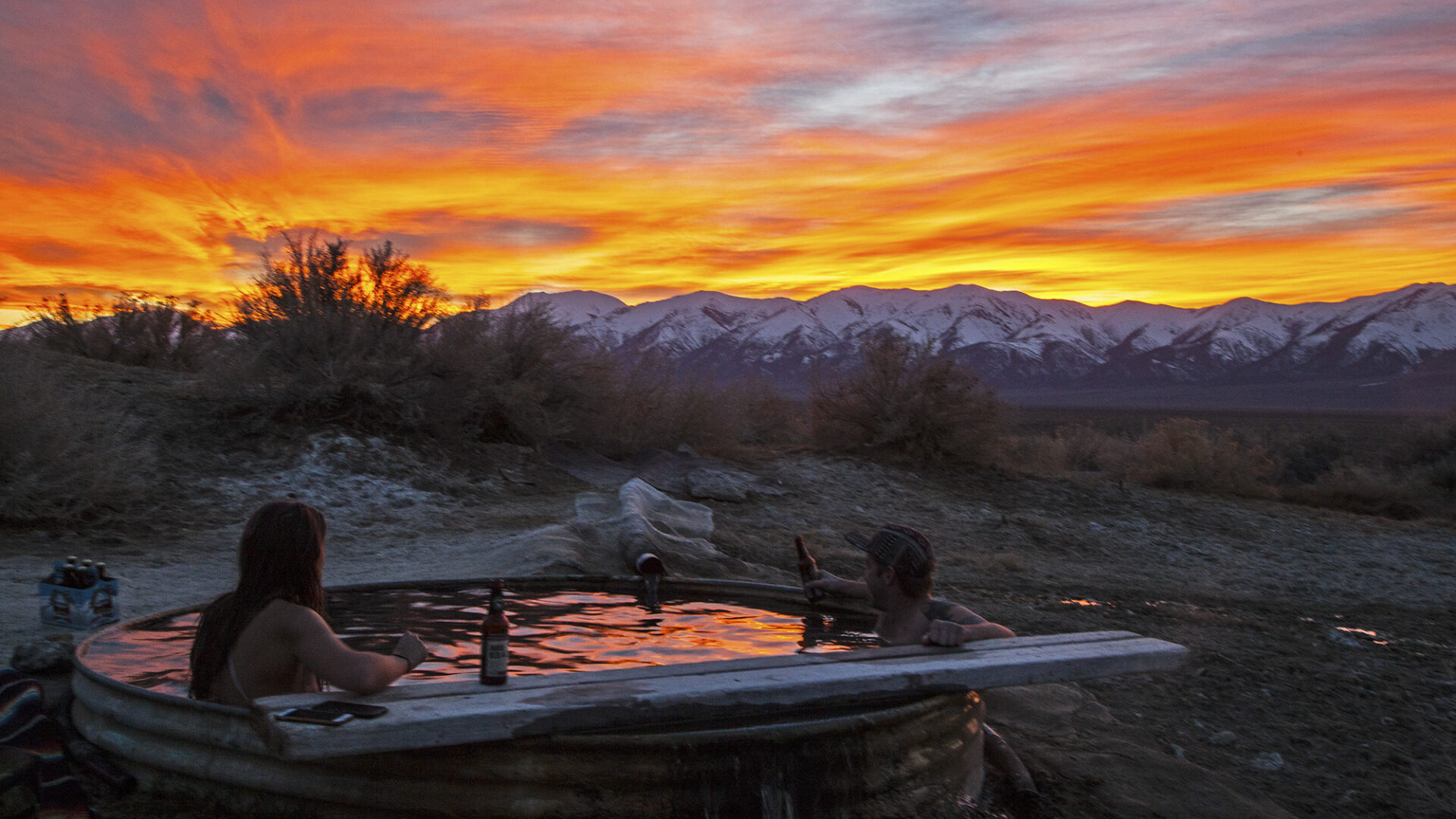
Pagosa Springs is, as expected, known for its hot springs. Located along the banks of the San Juan River in southwestern Colorado, the small town is home to the Mother Spring aquifer, which at 1,002 feet holds the Guinness Book of World Records’ title as the world’s deepest hot spring. Although visitors can’t soak in it, the waters from the aquifer feed into several local spas. Springs Resort and Spa features more than 50 geothermal pools; the resort has received many accolades and awards for its wellness offerings and resort amenities.
Nevada
Along with the glitz and glamour of Las Vegas and the pristine, blue waters of Lake Tahoe, Nevada has a wealth of exotic areas.
“Nevada often surprises people, and that sense of discovery is what makes it such a great destination for convention groups looking to connect,” says Tracie Barnthouse, chief communications officer for Travel Nevada.
There are 27 national parks, state parks, and recreation areas in Nevada. Many are located in the Great Basin, which covers most of the state and features both low desert regions and high-elevation mountains. Visitors can easily drive from the snow to the sand in the same day.
Great Basin National Park includes tours of Lehman Caves, the longest cave system in Nevada. A $5.8 million project to replace the caves’ lighting system is scheduled to be finished this spring.
Just outside the park boundaries is Hidden Canyon Retreat. While best suited for small groups, it has 375 acres of open land, tree groves, and stream beds that attract deer, turkey, and eagles year-round.
Natural beauty is close and easily accessible from the neon brightness of Las Vegas, which is surrounded by several mountain ranges. At an elevation of approximately 12,000 feet, Mt. Charleston to the west is the region’s highest peak and offers skiing, snow tubing, and other activities between December and March. The Spring Mountains National Recreation Area has picnic areas that can accommodate up to 200 people.
Just south of Las Vegas is Sloan Canyon National Conservation Area, part of the Mojave Desert. Its 48,438 acres include the Sloan Canyon Petroglyph Site, a canyon pathway once used by Indigenous cultures for hundreds of years. The site features nearly 1,700 designs on its sandstone walls.
Stretching from Reno to Las Vegas, U.S. Highway 95—nicknamed the “Free-Range Art Highway” and one of Travel Nevada’s 10 designated road trips—is lined with small towns, open-air art galleries, murals, desert art installations, and a quirky motel with thousands of clown figures. As described on the Travel Nevada website: “Fear and Loathing hallucinations have nothing on the real-world wackiness along US-95, where psychedelic free-range art meets the American West.”
Adds Barnthouse, “Nevada’s wide-open spaces have inspired artists from around the world to create public art installations in the desert, and the Free-Range Art Highway showcases some of the best. It’s a perfect way for convention teams to get out, explore together, and experience a different side of Nevada.”
Among its sites are Seven Magic Mountains, stacks of Day-Glo colored rocks standing alongside Interstate 15 southwest of Las Vegas. The Goldwell Open Air Museum, approximately two hours north of Las Vegas, features sculptures ranging from a life-size recreation of The Last Supper to a 24-foot-tall steel prospector and his penguin companion.
New Mexico
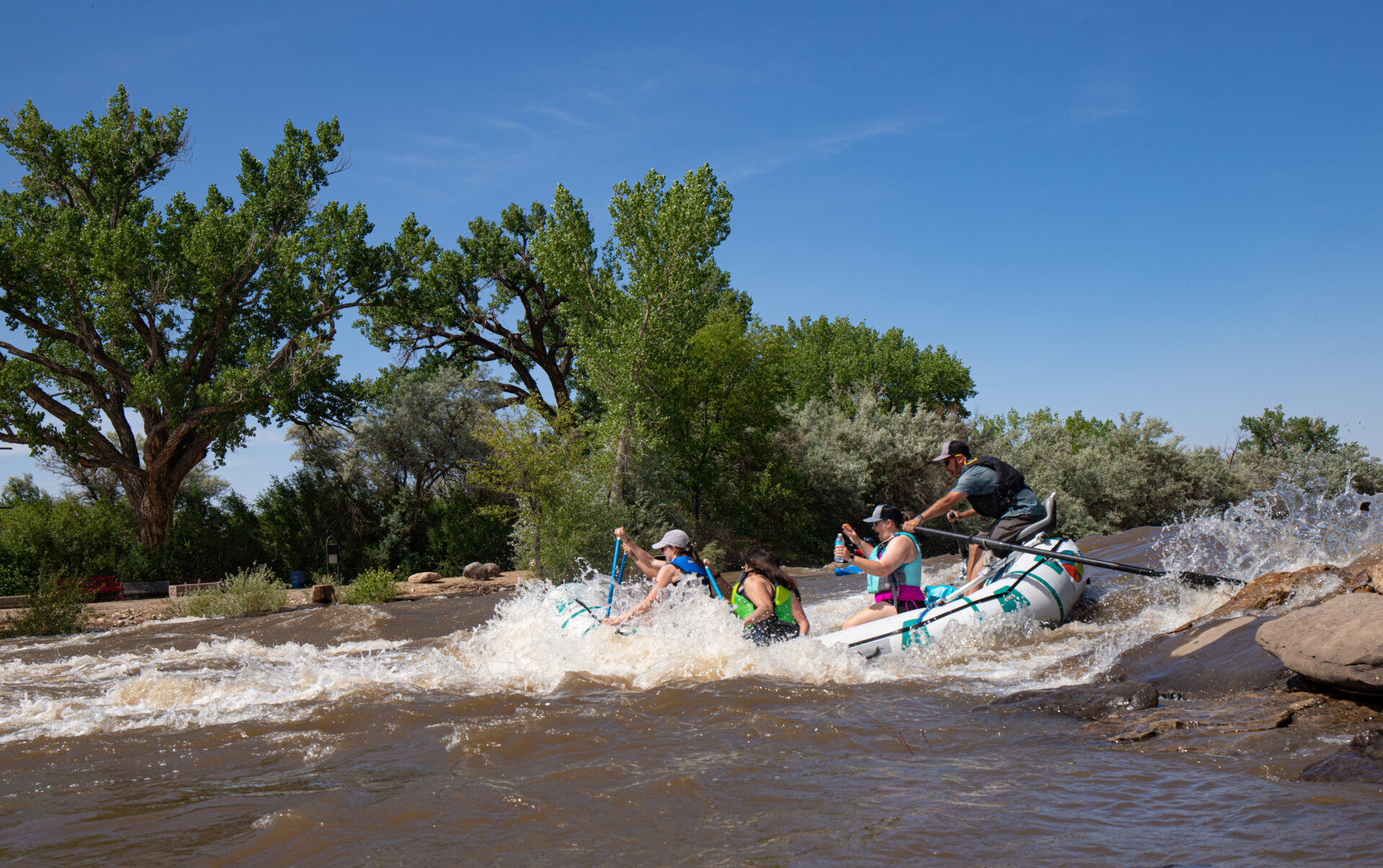
The “Land of Enchantment” is the state nickname for New Mexico, and it’s an appropriate one. From little towns to big cities, the state offers scenic vistas at every turn.
“New Mexico is home to distinctive meeting destinations, each with its own unique appeal. For smaller groups, Bernalillo, just 20 miles from the Albuquerque International Sunport (ABQ), and Farmington, in the famed Four Corners region, both have great local cuisine and nearby cultural excursions,” says Nicole Barker, media relations manager for New Mexico Tourism Dept.
Only miles from the Four Corners, where the state lines of New Mexico, Arizona, Colorado, and Utah meet, is Farmington, nestled in the San Juan River Valley. Its backyard features three rivers, four golf courses, and the Bisti/De-Na-Zin Wilderness, which is filled with weather-battered, otherworldly pinnacles, spires, and cap rocks known as “hoodoos.” In Navajo, Bisti (Bis-tie) means “a large area of shale hills,” while De-Na-Zin (Deh-nah-zin) means “cranes.”
Thirty minutes west of Farmington, Shiprock is a lone volcanic peak, with walls of solidified lava rising almost 1,600 feet from the desert floor; it’s visible for miles.
For group events, Farmington Civic Center has 10,500 square feet of connected exhibit halls that can be easily divided, plus an additional 4,500 square feet of flexible meeting space and a 1,200-seat performing arts theater. Onsite amenities include a 700-square-foot commercial kitchen, rentable linens, and dishware and beverage service.
Bernalillo is set at the foot of the Sandia Mountains, only 15 miles from Albuquerque, the state’s largest city. The mountains are named after the Spanish word for “watermelon” because minerals in the soil give the mountains a pinkish color, similar to the fruit. The land ranges from desert and grassy savannah to shrubs, small trees, and bushes on the lower slopes of the mountains to bare granite crests at the top.
Originally a convent when it was built in 1874, El Zócalo—“the meeting place”—has been refurbished with modern amenities while preserving its heritage. The venue offers nearly 2,400 square feet of meeting space, framed by thick adobe walls and brick floors, along with both indoor and outdoor areas. Located minutes north of Albuquerque and approximately an hour from Santa Fe, the building is listed on both the National and State Registers of Historic Places.
Utah
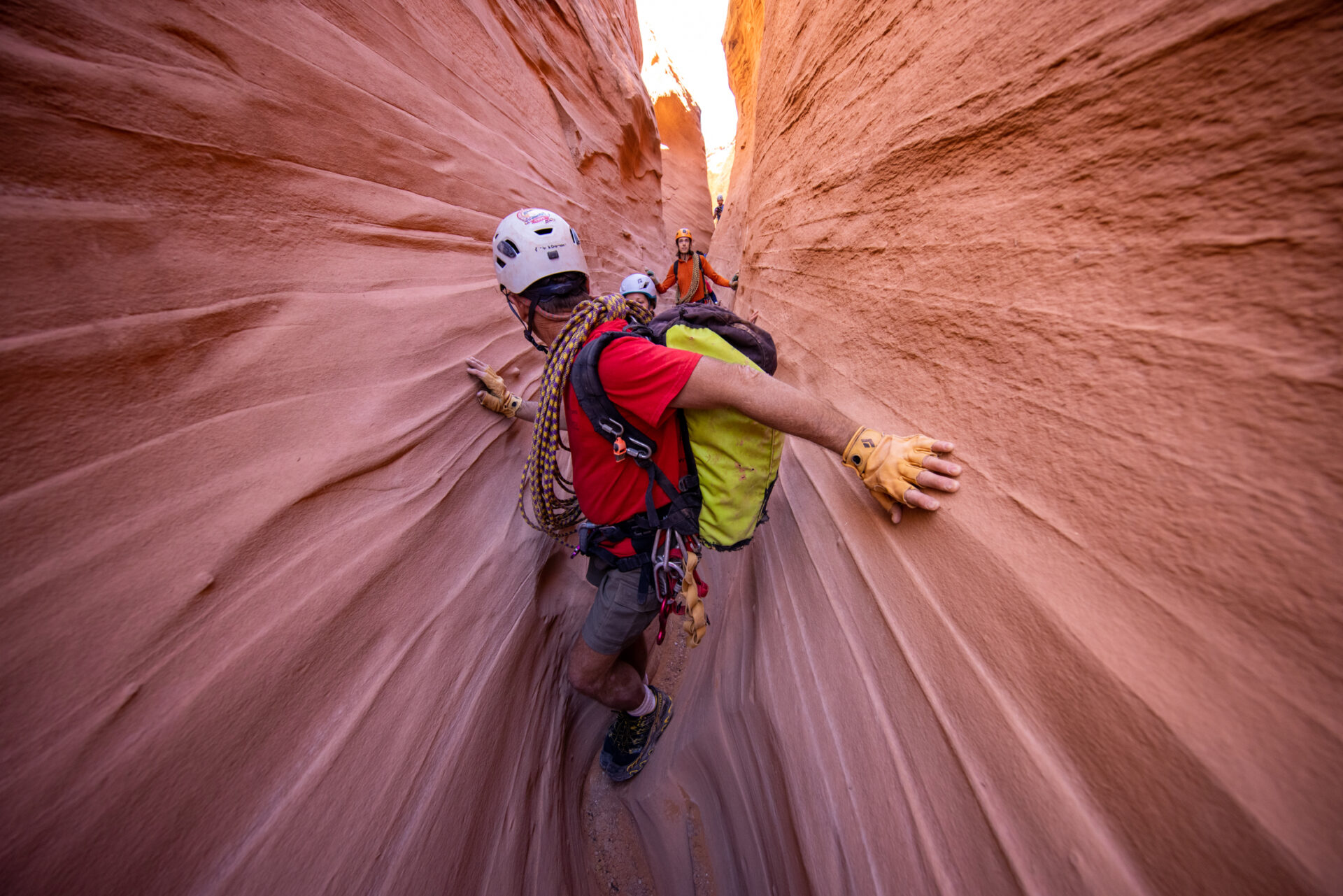
From a set of national parks considered among the most remarkable in the country to night skies so clear they make you feel as if you’re floating through the universe, Utah offers opportunities from land to sky.
“Utah offers convention planners an unparalleled combination of thriving metropolitan centers and easy access to some of the world’s most spectacular natural environments,” says Natalie Randall, managing director of the Utah Office of Tourism. “From ‘The Greatest Snow on Earth’ to Utah’s ‘Mighty 5’ national park regions, attendees can expect state-of-the-art facilities and vibrant city life paired with world-class outdoor experiences. From skiing and hiking to mountain biking and exploration through national and state parks, the adventures and memories are guaranteed.”
With its huge cliffs, buttes, and spires of red, pink, orange, and yellow, Zion National Park was the second-most visited park in the United States in 2024 (behind Tennessee’s Great Smoky Mountains National Park). Many other Utah parks showcase gorgeous Western scenery: Bryce Canyon, Capitol Reef, Canyonlands, and Arches, which contains more than 2,000 natural stone arches and is the homeland of such Native American cultures as the Hopi, Navajo, Ute, Zuni, and Paiute.
The tiny town of Torrey (less than 300 population) in southwest Utah is considered the gateway to Capitol Reef National Park. It’s also home to desert bighorn sheep, mountain lions, more than 230 species of birds, and dozens of species of reptiles, amphibians, and other animals. The park’s “Capitol” refers to its domes of sandstone, which resemble capitol building domes, and “Reef” refers to its rocky cliffs, which bar travel similar to an ocean reef. The town is so far removed from bright city lights that it was named the state’s first International Dark Sky Community in 2018. In order to create extensive and accessible stargazing opportunities, Torrey and Capitol Reef National Park schedule such events as telescope stargazing, solar viewing, and astronomy programs. In September, the
park hosts the Heritage Starfest, four days of stargazing and related activities, such as discussions on constellations and nocturnal animals.
An hour east of Salt Lake City is Midway, also known as “Little Switzerland,” for its alpine architecture, cheese-making facilities, and the annual Swiss Days Festival, held over Labor Day weekend. Located in the Heber Valley and framed by the Wasatch Mountains (the western edge of the Rocky Mountains), the town offers many winter activities, including downhill and backcountry skiing.
Wasatch Mountain State Park has four 18-hole golf courses and hiking, biking, ATV, and horseback riding along mountain trails.
Hot springs are a popular feature in Midway, including Homestead Crater, a 400-foot-wide, 55-foot-tall, beehive-shaped limestone dome with a hot spring inside.
Only half an hour from Midway, Park City—host city of the 2002 Winter Olympics—is packed with conference-friendly resorts. Grand Summit Hotel at Canyons Village has 15,327 square feet of meeting space. Deer Valley Resort has more than 400 housing units and 44,275 square feet of meeting space across 35 meeting rooms. Other properties include Black Rock Mountain Resort, Chateaux Deer Valley, and the Lodge at Blue Sky.
Used in dozens of movies, abandoned film sets near Kanab, located on the Utah-Arizona state line, are now tourist attractions, while the town’s Little Hollywood Museum also exhibits sets and memorabilia. Surrounded by red-rock canyons, Kanab is only 15 minutes from the Grand Staircase-Escalante National Monument, which, along with canyons, cliffs, and badlands (defined as terrain eroded by wind and water, forming steep slopes, gullies, buttes, and spires with very little vegetation), is home to millions of years of fossil history, including numerous recent dinosaur discoveries.
Multiple spaces for meetings are available at The Kanab Center, which features 15,000 square feet of space, including the Willow Ballroom, Grand Staircase Gym, several breakout rooms, and the outdoor Vermilion Pavilion. An hour to the east of Kanab, the Amangiri resort is set up for more intimate meetings with spaces that fit up to 110 guests.