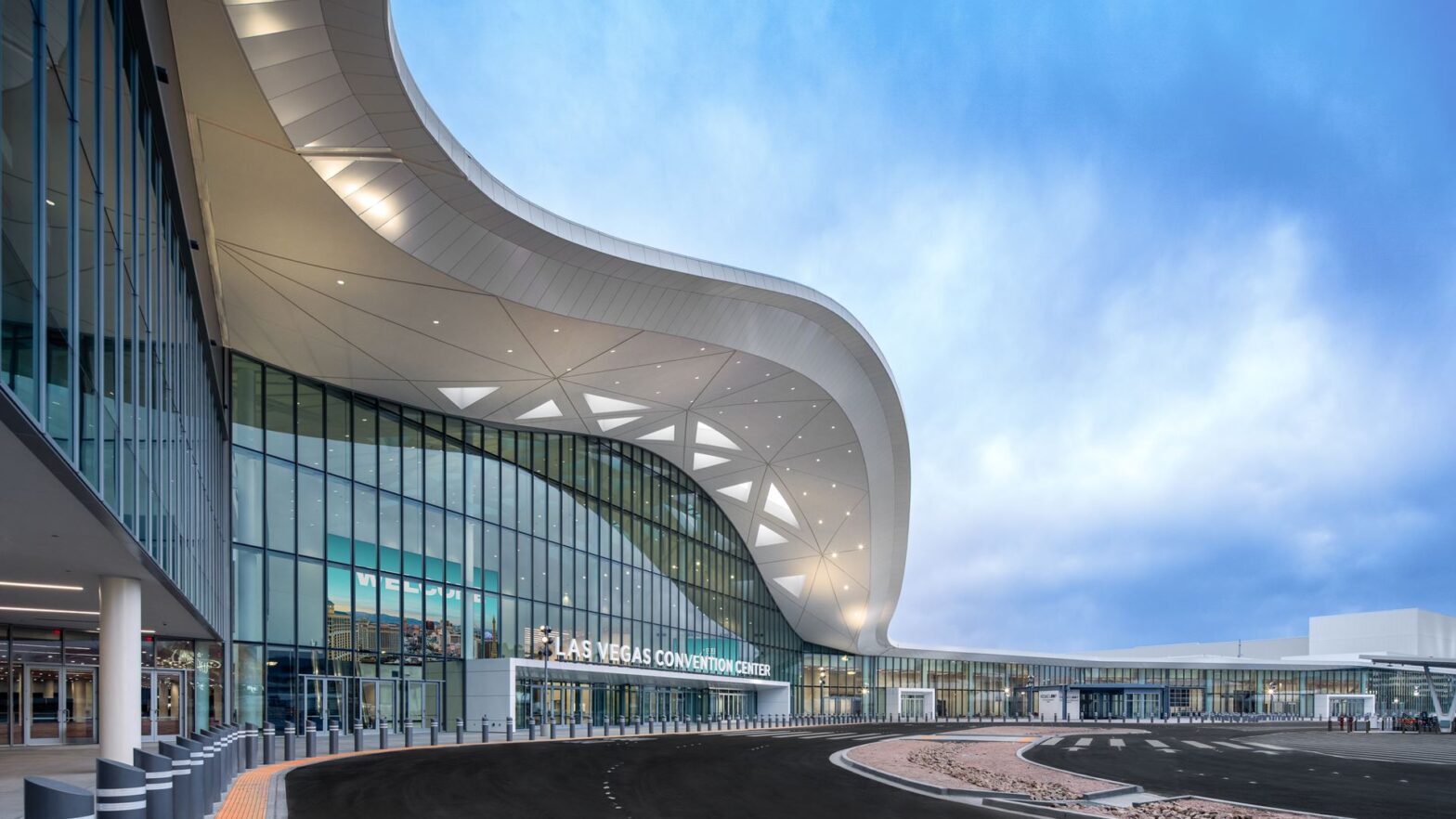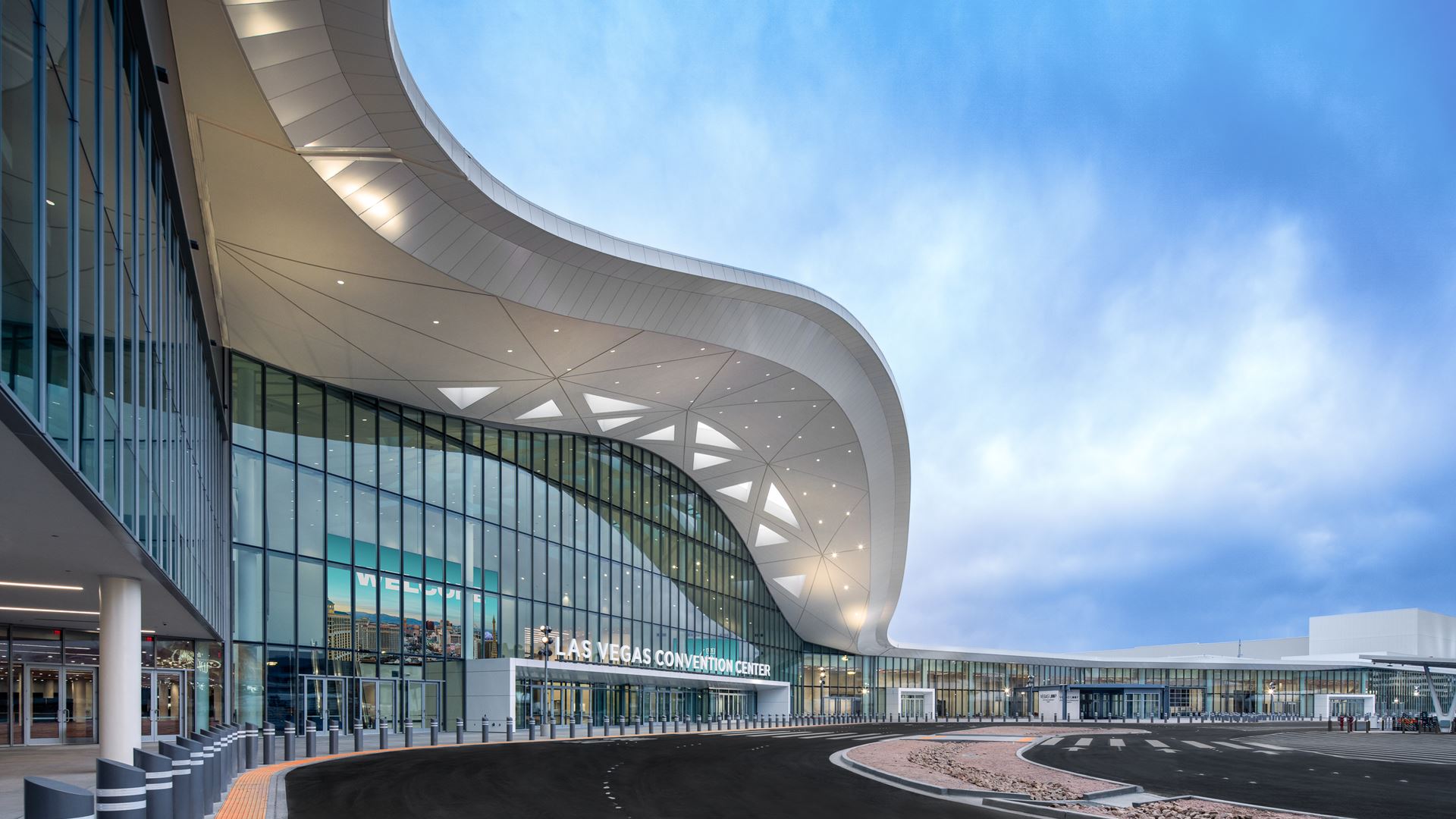
LAS VEGAS—Leaders from the Las Vegas Convention and Visitors Authority (LVCVA) debuted the completion of a $600 million renovation of the Las Vegas Convention Center’s (LVCC) legacy campus while the facility served as the host site for Consumer Technology Association’s (CTA) CES 2026 event, which took place January 6-9. CES 2026 (Consumer Electronics Show) was the first trade show held in the fully renovated space.
Owned and operated by the LVCVA, the legacy campus renovation began in 2023 and extends design, technology, and customer experience elements introduced with the $1 billion West Hall, which opened in 2021. The work spans the LVCC’s 4.6 million-square-foot campus.
Steve Hill, president and CEO of the LVCVA, said the project signals the next leap for trade shows in Las Vegas, stating, “It’s fitting to share this moment with CES, the world’s most influential technology show and our long-standing partner. Their continued commitment underscores the future of global events in Las Vegas.”
Key features of the renovated legacy campus include the modernized Central Hall Grand Lobby with a glass curtain wall, a 75×42-foot digital screen with two complementary screens, and a climate-controlled interior concourse connecting the North and South halls. The South Hall now includes a new east-facing entrance, a boardroom, and updated administrative offices. The extension of the West Hall’s exterior ribbon roof creates continuity across the campus.
Meetings and conventions remain a key part of Las Vegas’ tourism economy. The renovated LVCC is projected to host up to 48 trade shows and approximately 1.23 million trade show attendees in 2026, up from approximately 1.06 million in 2025. With a full slate of major events scheduled, Las Vegas is expected to approach record post-pandemic convention attendance levels.
In 2024, Las Vegas hosted 6 million convention attendees, with the sector contributing $16 billion in economic impact.
Miller & Ham Project Development served as the LVCVA’s owner’s representative on the project. Klai Juba Wald was the architect of record, and a joint venture between Hunt Construction Group and Penta Building Group completed construction.