In today’s meetings landscape, wellness has moved well beyond the basic spa menu or an optional add-on. It’s shaping the very framework of the agenda. Planners are taking a more intentional approach, designing programs that balance business objectives with opportunities to recharge, refocus, and reconnect. From the opening session to the final send-off, the emphasis is on creating environments where attendees can bring their best selves to the table, because when well-being is prioritized, engagement and outcomes naturally follow.
“Wellness is no longer positioned as an optional activity; it’s being built directly into the structure of the agenda,” says Constance McCarty, spa director at Sanctuary Camelback Mountain Resort & Spa in Paradise Valley, Ariz. “Whether it’s morning movement, midday reset sessions, or recovery-focused experiences, these elements are now considered essential to creating a high-performing program.”
Starting strong: wellness from the first welcome
Properties across the Southwest are giving planners flexible options to host meetings in settings that naturally support well-being while also layering in thoughtful touches from the outset. Increasingly, that begins at registration, where simple additions are helping set the tone for a more balanced and productive meeting experience. Montage Deer Valley resort’s setting in Park City, Utah, was designed to reflect the local landscape, according to Matthew Punsalan, director of spa and retail. “The high altitude encourages guests to be more intentional about their hydration and breath,” he says. “It’s a setting that demands presence, making it the ideal environment for groups to step away from their daily routines and into a state of active renewal and mental clarity.”
Many groups meeting at Montage Deer Valley often start their time on property with wellness lounges featuring such treatments as compression boots, oxygen therapy, and chair massages, which can be set up easily during event registration to help offset travel fatigue. “These activations are highly effective during arrival windows, midday resets, or post-activity recovery, keeping energy elevated while minimizing downtime,” Punsalan adds.
The JW Marriott Las Vegas emphasizes calming design elements to help guests stay energized without feeling overstimulated, says Jamie Land, vice president of catering and events. “Our property serves as a sanctuary, allowing attendees to decompress between sessions, maintain focus, and feel genuinely cared for,” Land says. “It’s the best of both worlds: the vibrancy of the city paired with the calm and clarity needed for meaningful connection and productivity.”
The property works with planners to build wellness directly into their agendas. Morning movement sessions are a popular choice; activities like yoga on the lawn, guided walks, and fitness classes help attendees start the day with clarity. A physicians’ wellness group recently hosted morning yoga sessions, 5K walks through the Summerlin community, and afternoon sound baths overlooking the waterfall, Land says. “Attendance (for these activities) doubled from day one to day two, driven by the strong sense of energy and connection these activities created.”
Room to recharge
Building in wellness touchpoints from the start is only part of the equation. Planners who consider unstructured time just as valuable as programmed sessions are adding intentional breaks within the event agenda for attendees to step away, reset, and engage on their own terms. “The most underrated wellness offering a planner can build into an agenda is simply giving attendees breathing room,” says Brittney Cobb, director of global events for INNOV8 Meetings + Events. “A slightly later morning start, a couple of genuine breaks during the day for emails and calls, and a reasonable end time go a long way toward reducing the stress that so often accompanies multi-day events. When attendees can stay connected to their work and personal lives without panicking, they show up more present and engaged in the room.”
Montage Deer Valley’s daily rotating fitness calendar allows attendees to choose movement and wellness activities according to their individual energy level and schedule—from early morning High-Altitude Boot Camps to midday HIIT on the Water sessions or late-afternoon Vinyasa Flow—and it’s easy to integrate as desired, says Laura O’Neill, director of meetings and management. “It gives guests the autonomy to prioritize their well-being on their own terms without sacrificing the productivity of the meeting agenda,” she says.
Limelight Denver works with planners and guests to create a variety of structured wellness options, but it also offers options for attendees to decompress on their own terms, such as a 24-hour fitness center, yoga (using complimentary yoga mats included in every room), and offsite options, according to Kim Corrigan, general manager. “The property has partnerships with area wellness providers, including Rok Spa and Hydrate IV Bar, which are within walking distance and provide hotel guests with generous discounts,” she says. “Not everyone recharges the same way, and we build programming that respects that.”
Break time reimagined
As agendas evolve, traditional breaks are taking new shapes. Planners are turning these moments into opportunities for attendees to recharge with intention—through light movement, mindfulness exercises, or a quick reset outdoors. It’s a simple shift, but one that can make a noticeable difference in attendees’ energy and engagement levels throughout the day. “In practice, the most successful groups are those that intentionally weave wellness through the agenda rather than isolate it,” Punsalan says. Montage Deer Valley has seen strong engagement with mid-conference “reset” breakouts, such as guided stretching, breathwork, quick recovery therapies, and evening social wellness events in place of or alongside standard receptions, he adds.
Stein Eriksen Lodge Deer Valley, also in Park City, Utah, assists planners in embedding wellness into the natural rhythm of the meeting with a variety of options, from replacing traditional coffee breaks with short, guided stretches or breathwork sessions to adding in a brief walk between sessions, or structuring the afternoon to be active instead of extended sedentary blocks. “Ideally, wellness becomes part of the entire meeting experience, not something separate,” says Jim Tolbert, corporate director of sales.
Limelight Aspen (Colo.) works with planners to find natural breaks in the agenda and matches them with the right experiences for their groups, such as solo fly fishing or group bike rides, says Noemi Kiss-Baldwin, general manager. “Not everyone recharges the same way,” she says. “Some want a trail; some want an hour at the hot tubs. We make room for both.”
CIVANA Wellness Resort & Spa in Carefree, Ariz., offers more than 100 weekly classes focused on wellness, movement, and personal growth, and most can be adapted for group programs and seamlessly integrated into the day’s event as structured breaks between sessions or stand-alone activities, according to Julie Lavine, chief brand officer. “Teams might have incorporated meditations and restorative stretches to reset between meetings, yoga classes to kick off a brainstorming session,
and ropes course experiences that take team trust to the next level,” Lavine says. “By weaving these wellness activities into
the existing meeting agenda, groups can
create an experience that balances productivity with well-being.”
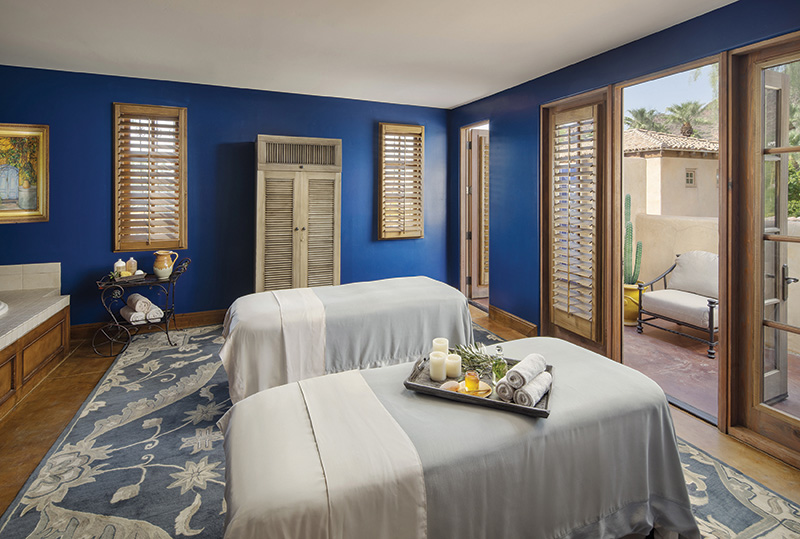
At Sanctuary Camelback Mountain Resort & Spa, planners are intentional about how they incorporate spa experiences, McCarty says. Rather than designating spa experiences as unstructured free time, McCarty suggests creating dedicated recovery windows into the agenda or offering a curated treatment menu. “We’ve worked with groups that schedule spa rotations between sessions or design experiences focused on stress relief and post-travel recovery,” she says. “It becomes a strategic part of the experience, not just a luxury add-on.”
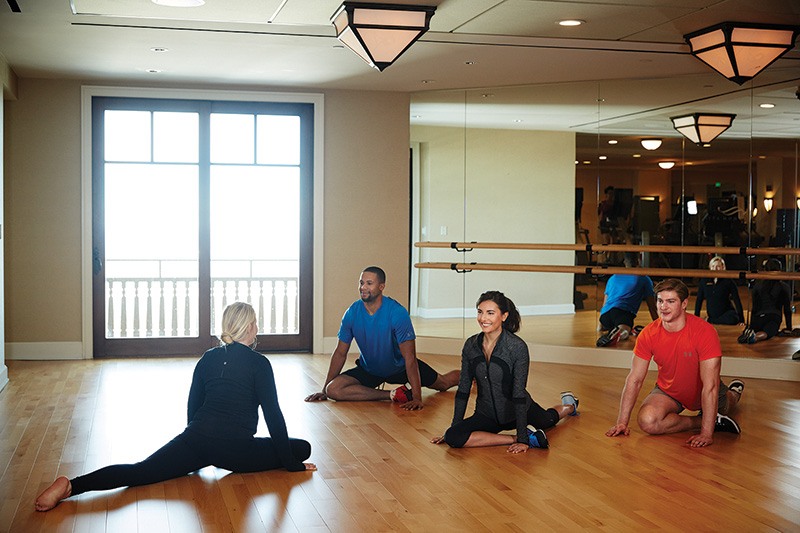
McCarty also suggests being intentional about other wellness activities throughout the day, from scheduling sunrise hikes to midday movement or stretch sessions, or an afternoon fitness class to re-energize attendees. “Even brief intentional movement breaks can significantly improve focus and participation throughout the day,” McCarty adds.
Tech-enabled wellness
Technology is also playing a role in how wellness options are delivered. With the right tools in place, planners can easily guide attendees through short wellness activities and on-demand options, or provide gentle reminders for them to step away and recharge.
Royal Palms Resort & Spa in Phoenix offers touchless wellness treatments, designed to deliver relaxation and restoration in a shorter timeframe. “These 25-minute experiences focus on promoting overall balance, relieving tension, and supporting physical and mental well-being through innovative, technology-based modalities rather than traditional hands-on therapy,” says Sara Huddleson, spa director. “Because these treatments are brief, individual, and technology-driven, they can be easily incorporated into group stays as flexible wellness experiences. Their short duration and minimal staffing requirements make them well-suited for integrating into itineraries as quick relaxation sessions or restorative breaks, allowing multiple guests to participate throughout the day.”
Wellsystem Wave Massage uses dry-water technology to deliver a gentle, full-body massage experience that helps ease tension in the back, neck, shoulders, and legs, leaving guests feeling both relaxed and re-energized without getting wet. Another option is the resort’s Vibroacoustic Electro Magnetic and Infrared Therapy (VEMI), a multi-sensory experience blending sound resonance, full-body vibration, electromagnetic energy, and infrared technology. Designed to guide the body into a deeply meditative state, the treatment allows guests to remain fully at rest while immersive sound frequencies and rhythmic vibrations promote a profound sense of calm and restoration. “Together, these treatments provide efficient yet impactful wellness solutions, ideal for guests seeking a restorative reset without the time commitment of traditional spa services,” Huddleson adds.
The power of mindful moments
Recognizing that mental well-being is just as important as physical restoration, planners are also placing greater emphasis on mindfulness-based activities. Simple mindfulness practices can make a meaningful difference, from supporting better concentration and reducing stress to allowing participants to return to sessions more present and engaged.
Hyatt Regency Tamaya Resort & Spa at Santa Ana Pueblo, near Albuquerque, N.M., offers mindfulness activities like Superpower & Kryptonite, an exercise that encourages participants to identify their individual superpower—such as a skill or talent—and their kryptonite—meaning, what challenges them. “This is a great option for networking and a time of connection for groups,” says Janisa Casillas, spa director.
Omni La Costa Resort & Spa in Carlsbad, Calif., frequently suggests floating sound baths as a signature moment in the meeting agenda. “Groups use them as a grounding start to the day or a restorative close to programming,” says Michelle Zwirek, area director of sales and marketing.
Noticing the emphasis on mental fitness surrounding meetings, Sanctuary Camelback Mountain Resort & Spa offers everything from sound meditation and breathwork to Yoga Nidra, all designed to reduce stress, improve focus, and support overall mental clarity. “These are not just relaxing moments—they’re practical tools that guests can carry with them beyond their time on property,” McCarty says.
Nature-driven wellness
Wellness also extends beyond the spa and meeting rooms, with a growing emphasis on getting attendees outside and connecting them with their surroundings. Planners are increasingly taking advantage of the Southwest’s natural landscape, whether through casual breaks in fresh air, group walks, or holding meetings in open-air settings. “We’re already blurring the line between indoors and out at Limelight Denver,” Corrigan says. “We encourage planners to think beyond the hotel entirely. Whether a brainstorm on Denver’s Millennium Bridge following a team jog through Commons Park at Red Rocks or a reception on the terrace at golden hour, those moments stick with attendees in ways a conference room simply can’t replicate.”
Aspen Meadows Resort (Colo.) was built to emphasize its natural surroundings, according to Carrie Williams, general manager, noting meetings and events are often held outdoors and under tents in the summer months. “We have 40 sprawling acres, so there’s a plethora of spaces available,” she says. “This is a true differentiator and absolutely contributes to attendee well-being. To further take advantage of the environment, groups also utilize our patio spaces, which offer stunning views of Aspen’s mountains. You can also hear the rush of the Roaring Fork River nearby and the rustling of aspen leaves, which provide an instant sense of calm. It’s a reset, for sure.”
Planners hosting events at the JW Marriott Las Vegas often replace traditional breakout rooms with shaded terraces and garden spaces, while those choosing Stein Eriksen Lodge take advantage of outdoor venues showcasing the resort’s mountain setting. “Here at Stein Erikson Lodge, groups are surrounded by fresh mountain air, expansive views, and immediate access to nature—elements that naturally reduce stress and promote clarity,” Tolbert says. “Wellness doesn’t need to be added; it’s already present in the environment.”
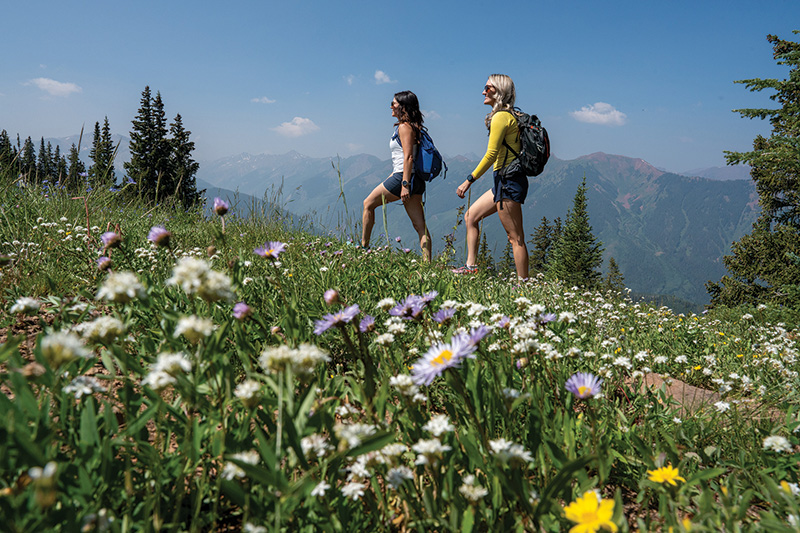
Planners can also take advantage of the outdoors by adding guided hikes, fly fishing, skiing, or snowshoeing, depending on the season. Such activities help attendees to clear their minds so that ideas flow more easily in a more relaxed setting, Tolbert adds.
The horse rehabilitation program at Hyatt Regency Tamaya Resort & Spa offers group trail rides in the Santa Ana Pueblo, horse yoga, and guided nature walks. The guided walks cover approximately one mile round-trip as a guide shares details about local flora, fauna, trees, mountains, and many of the animals often seen on the trail. “Groups can also
opt for a meditation walk on the same trail, with the guide prompting guests on breathing and meditation tips throughout the walk,”
says Casillas.
Rooted in the Sonoran Desert, Miraval Arizona Resort & Spa in Tucson offers its iconic Miraval Hike, a guided experience showcasing the surrounding beauty of Saguaro cactus forests, mountain views, and even indigenous artifacts. It’s a popular way for groups to interact with the Sonoran Desert firsthand, according to Jayme Marcum, director of sales. “Here, the desert is more than just a backdrop; it’s a medium for guests to interact with throughout their stay. Outdoor and nature-based experiences are a cornerstone of the Miraval Arizona experience.”
Wellness on the menu
Food continues to play a central role in the wellness conversation, with planners taking a more intentional approach to how menus support the overall meeting experience. Healthier, more balanced options are increasingly being woven into F&B planning, a shift that not only supports attendees’ well-being but also helps them sustain energy levels and focus throughout the day. “Food is everything—and I say that with full conviction,” Cobb says. “It is no secret that quality, whole, minimally processed foods fuel our bodies in ways that directly impact performance, focus, energy, and immunity. These things matter enormously when your attendees are traveling, sitting in sessions all day, and operating in a high-demand environment for multiple days in a row.”
CIVANA Wellness Resort & Spa has seen an increase in planners prioritizing nutritious and communal dining experiences, and, as a result, offers options like yogurt parfaits and smoothie bars to nourishing snack boxes and fresh seafood.
JW Marriott Las Vegas has also seen an increase in wellness-driven culinary menus, such as a recent leadership retreat that requested a “mind-fuel lunch,” Land recalls. “It featured brain-boosting superfoods and mocktail pairings, which became a standout highlight.” Other thoughtful menu offerings have included “brain food” break stations featuring nutrient-dense options, such as spiced almonds, pumpkin seeds, dried fruits, and plant-based snacks, and functional hydration, including smoothie bars and nutrient-rich beverages, as alternatives to traditional coffee breaks.
Beyond offering healthier menu options, many venues are also creating opportunities for attendees to engage more deeply with the culinary experience. Guests at Miraval Arizona can enjoy healthy options while also learning from chefs, nutritionists, and local partners, says Marcum. “This approach not only nourishes the body but also fosters connection, curiosity, and practical skills that attendees can carry into their personal and professional lives,” Marcum says.
Stein Eriksen Lodge offers curated culinary and wellness experiences, such as healthy cooking demonstrations, mocktail tastings with a wellness angle, and nutrition-focused sessions that align with the overall program goals.
“When a planner takes the time to ensure that attendees have access to genuinely nourishing food throughout a conference, not just a pastry cart and a salad bar, it removes a real source of stress and sets the tone for the entire program,” Cobb says. “Attendees feel cared for. They perform better. They leave feeling well rather than depleted. That is a win for the attendees, the planner, and the client. Healthy, quality food is no longer a nice-to-have; it is good event management.